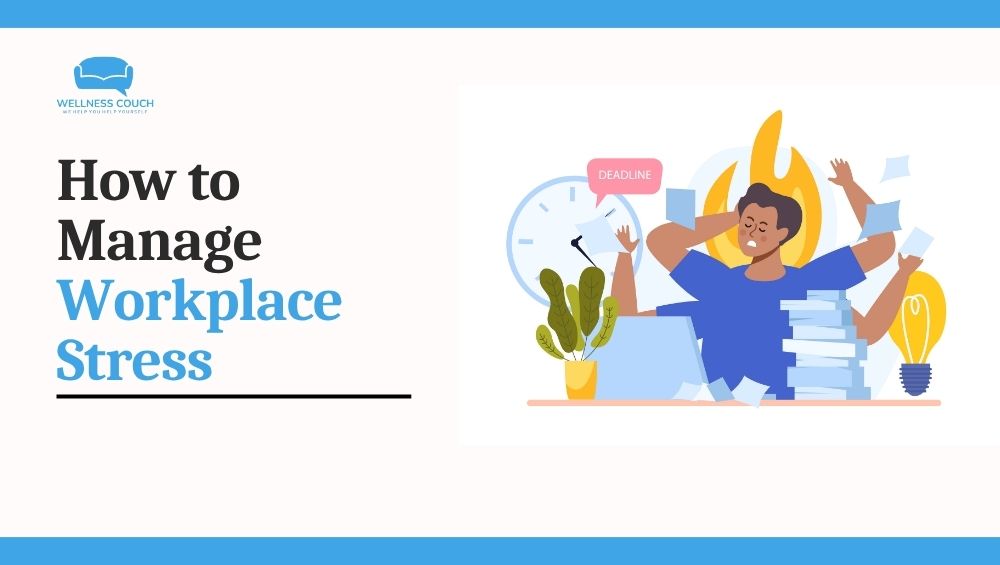
Most people really like their jobs, and jobs can be an important source of satisfaction. However, their jobs can also be a source of great stress. Sleep disruption, long hours and pressure of deadlines and expectations are things in our jobs that can negatively affect our mental and physical health.
So people ignore these stress signs, thinking that work or being stressed is just a part of life. If stress is ignored for too long, it can affect productivity. A positive fact is that awareness and good habits can help in managing work related stress.
With this blog, I hope to help you in identifying work related stress, its most common causes, signs of it and practical stress management techniques.
What is Workplace Stress?
When the demands of the job start to become overwhelming, it is only natural to start feeling stressed. Some pressure is indeed good in that it keeps you focused, but when that pressure becomes a constant source of danger, that is when the risk to you really starts to become apparent.
It's not uncommon to begin feeling anxious, and start working on things outside of the designated working hours. It's only a matter of time until the emotional exhaustion and functional fatigue set in and the situation devolves into burnout.
Knowledge is required to assess that the right kind of pressure is leading to improved performance while stress is leading to reduced performance.
Common Causes of Workplace Stress
There are lots of reasons why stress happens at work; most of the time, it is due to a bunch of reasons rather than a single problem.
Workload and Pressure
Many people suffer stress from having too much work to do in too little time. It can be very stressful when the deadlines are unrealistic, and you are always having to do multiple things at once.
Lack of Control
When you have little control over how the work you do is done and feel that your input is not appreciated. Negativity and a sense of hopelessness can be created.
Junk Culture
Being in a negative work place with no support from colleagues or management can increase stress significantly.
Not Knowing What You’re Doing
Having no job security or unclear job roles/leaving expectations constantly changing can create a sense of uncertainty and anxious feeling.
Constantly Working
When work starts dominating your time outside work, you will find it difficult to relax and recharge yourself. Calls, emails and after hours work can make it hard to find that separation.
Signs and Symptoms of Workplace Stress
Stress isn’t just what’s in your head. It’s in your body and actions as well.
Emotional Signs
- Feeling anxious or overwhelmed
- Irritable or angry
- Less motivation
Physical Signs
- Headaches or tight muscles
- Feeling tired and weak more often
- Sleeping less
Behavior Changes
- Not being able to concentrate
- Procrastinating and avoiding work
- Lower work output
Stress can become serious really quick. Being able to identify these signs can help prevent that.
How Workplace Stress Affects Your Life
Stress at work can affect all parts of your life, not just your job.
You may find your work areas become harder to concentrate on or make decisions and stay productive. Work stress can make your personal life harder too. It can make you unhappy and withdrawn to be more loved. You can become anxious or depressed.
Chronic stress can make you more school; You can become more sick, Sleep can become harder for you and you can become more tired. Working stress should be taken more seriously. Ignoring it will make all of these areas harder.
How to Manage Workplace Stress (Practical Strategies)
You don’t have to make huge changes to manage stress at work. Little by little, changes can have a huge impact.
Recognize When You Are Feeling Stressed
Take note of what situations cause you stress. Is it a certain interaction, all the meetings you have to go to, or impending deadlines? Knowing what causes your stress helps you manage it.
Get Organized
Breaking tasks into smaller steps helps you get it done faster. Focus on getting each of the smaller tasks done. Set goals so you don’t add to the stress you feel by being overwhelmed.
Regular Breaks
When you don’t take breaks, your focus can drop and stress can go up. Short breaks can help you refocus so don’t be afraid to take a short break.
Mindfulness and Relaxation
Take a minute and pause, practice some deep breathing, and take your time. Relax the mind and stay in the present. Set the overthinking and focus on the now.
Work-Life Balance
Determining the time in which you work and don’t work is important. Setting time boundaries can help with not looking at emails or making work calls after work hours.
Healthy and Active
The support of your mental health and stress levels correlates with the care of your body. A healthy body will come from a healthy diet, a normal sleep schedule, and regular exercise.
Leaning on Others
If the job seems too difficult, reaching out to the manager or someone else in the job is a good idea. Writing problems down will help to identify the issues and the people who lean on will help to support the stress.
Healthy Workplace Habits to Reduce Stress
Stress can be managed by practicing small steps on a daily basis.
- If you always have a large amount of work- Learn to say no
- Focus on the aspects of work that are in your control
- Take your breaks and days off as needed
- Create positive friendships and bonds with colleagues
When Should You Seek Professional Help?
There are instances of workplace stress that you cannot manage on your own and will need to get help to resolve the issue. If stress is:
- Long-lasting with no improvement
- You are burnt out or emotionally exhausted
- You have anxiety, panic, or issues with sleep
- Your daily life and relationships are affected
How Wellness Couch Can Help
Here at Wellness Couch, we know how hard workplace stress can make working. A lot of people find stress to be a given but do not seek to manage it or find solutions to address it.
Our platform offers a safe space to users. Users can connect with trained mental health specialists. With the right tools, users gain the ability to evaluate where they are in the process and learn ways to manage stress, burnout, and the overwhelm that comes with all the emotions.
Our organization is focused on helping people cultivate newer and better habits that strengthen the health of their work and personal lives.
Conclusion
Uncontrolled stress can negatively impact your mental health, your productivity, and even your overall wellness. The most important part is spotting the stress in yourself and managing it in small, practical ways.
Most people improve stress management by making small, day-to-day changes, like taking more breaks, setting clearer boundaries, or asking for support. You can even schedule time to not be busy! If things calm down, it is okay to reach out to someone more qualified for support.
Stress management and wellness are the focus. Here at the Wellness Couch, we will be helping you develop your stress management to improve your work-life integration professionally.